
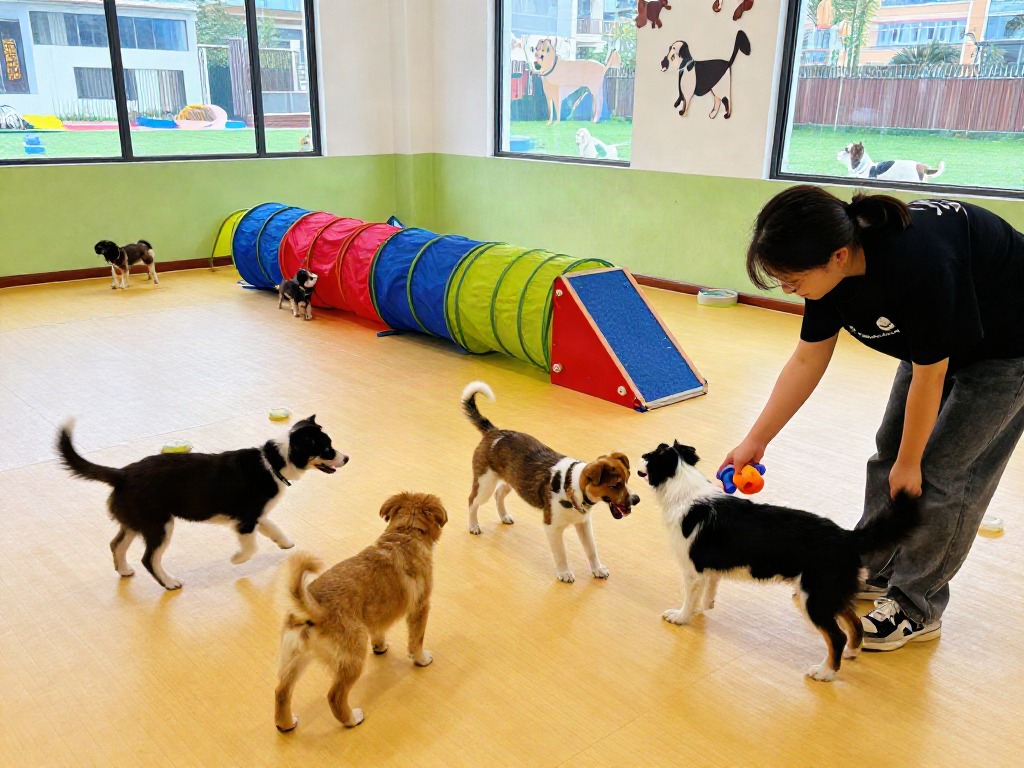
Understanding Slot 10k in Dog Training
The world of dog training is constantly evolving, with new methods emerging to enhance the relationship between pet owners and their furry companions. One such innovation is the 'slot 10k' approach, a structured training technique aimed at impressive results in a relatively short time. This method not only helps in mastering basic commands but also prepares dogs for advanced training levels, making it ideal for dog daycare facilities looking to improve their services. When exploring options, slot 10k provides comprehensive insights that can transform your training sessions.
What is Slot 10k?
Slot 10k refers to a specific framework within dog training that emphasizes a combination of structured routines and behaviors. Unlike traditional training programs that may rely heavily on repetitive commands, the slot 10k method integrates advanced psychological principles to better communicate with dogs. This approach involves significant engagement and interaction between the trainer and the dog, fostering a deeper understanding of commands and behaviors.
The Importance of Structured Training
Structured training is essential for dogs as it sets clear expectations and boundaries. In the slot 10k method, the emphasis on structured environments helps in developing a consistent routine that dogs can understand and anticipate. This structure not only benefits the dogs but also aids trainers in measuring progress effectively. Moreover, structured training can significantly reduce behavioral issues, as dogs become more aware of what is expected of them.
Common Misconceptions about Slot 10k
Many individuals may believe that slot 10k is only suitable for highly trainable breeds or that it requires extensive prior knowledge of dog training. However, this method can be adapted to suit various breeds and learning styles. Additionally, some may think that slot 10k training is excessively rigid, but in reality, it allows for flexibility tailored to individual dog needs, fostering a more personalized learning experience.
Implementing Slot 10k Techniques
To effectively implement slot 10k techniques, trainers should begin with a solid foundation of basic commands. This phase is crucial as it lays the groundwork for advanced training. By teaching commands such as 'sit', 'stay', and 'come', trainers can build a relationship of trust and understanding with their dogs.
Basic Commands for Slot 10k
Basic commands are the cornerstone of the slot 10k methodology. Here are a few essential commands to start with:
- Sit: A fundamental command that establishes control.
- Stay: Teaches patience and control, crucial for safety.
- Come: Promotes recall and strengthens the bond between dog and owner.
Each command should be introduced with clear signals and rewards, reinforcing positive behavior while discouraging distractions. Consistency is key, and as dogs master these commands, they are ready to progress to more complex tasks.
Advanced Techniques and Strategies
Once the basic commands are firmly established, trainers can introduce more advanced techniques. This can include:
- Agility training: Enhancing physical abilities and obedience.
- Behavior modification: Addressing specific behavioral issues with targeted strategies.
- Socialization exercises: Helping dogs to interact positively with other animals and people.
These strategies encourage mental stimulation and physical exercise, crucial for a well-rounded dog training program.
Case Studies: Successful Dog Daycare Implementations
Several dog daycare facilities have begun implementing the slot 10k techniques with remarkable success. For instance, a daycare in Seattle reported a 40% reduction in behavioral issues after integrating this structured training approach. Another facility in Austin noted that dogs trained under the slot 10k framework showed improved social interactions and overall behavior, allowing for a more harmonious environment among pets.
Overcoming Challenges in Trainability
While the slot 10k method is effective, challenges can still arise during training. Identifying and addressing these challenges early on is essential for success.
Identifying Behavioral Issues
Understanding the root causes of behavioral issues is the first step. Trainers should observe the dog’s reactions in various situations and note any specific triggers. Common issues include:
- Excessive barking
- Destructive behavior
- Separation anxiety
Once identified, trainers can tailor their approach utilizing slot 10k techniques to address these specific challenges effectively.
Strategies for Difficult Dogs
For dogs that exhibit stubborn or challenging behavior, consider the following strategies:
- Positive reinforcement: Rewarding good behavior can encourage repeat actions.
- Shorter training sessions: Keeping sessions brief can maintain the dog's attention.
- Patience and consistency: Remain calm and consistent to build trust and understanding.
Through these strategies, even the most difficult dogs can succeed in slot 10k training.
Measuring Training Progress
Progress should be recorded to ensure the effectiveness of training methods. Consider keeping a diary of each dog's advancements, noting command mastery and behavioral changes. Regular assessments, both formal and informal, will help trainers adjust their methods and goals as needed.
Future Trends in Dog Training
The dog training landscape continues to evolve, and the future promises even more innovative approaches. Understanding these trends will be crucial for dog daycare facilities aiming to remain competitive.
Innovative Approaches for 2026
In 2026, we can expect an increase in the use of gamification in dog training, where trainers incorporate game-like challenges that engage dogs more effectively. This method not only makes training enjoyable for pets but also enhances retention of learned behaviors.
The Role of Technology in Dog Training
Technology is set to play a monumental role in shaping dog training approaches. Tools such as mobile apps for tracking progress, video analysis for reviewing training sessions, and even virtual reality setups for training simulations are on the horizon, enhancing how trainers connect with dogs.
Predicting Changes in Training Techniques
As we move further into the future, we anticipate a shift towards more individualized training programs tailored to specific breeds and their natural instincts. By understanding the unique traits of different breeds, trainers can adapt the slot 10k method to cater to the needs of each specific dog, allowing for a more effective training experience.
Frequently Asked Questions
What is the best age to start Slot 10k training?
It is generally recommended to start slot 10k training as early as 8 weeks of age, as this is when dogs are most receptive to learning. Early exposure to commands and socialization helps in shaping well-behaved adult dogs.
How long should training sessions be?
Training sessions should last between 10 to 15 minutes for young puppies and gradually increase to 20 to 30 minutes for adult dogs. Keeping sessions brief helps maintain attention and prevents fatigue.
Can all breeds succeed in Slot 10k training?
Yes, all breeds can benefit from slot 10k training. The methods can be tailored to suit their unique characteristics and temperaments, ensuring a successful learning environment for every dog.
What equipment is recommended for Slot 10k?
Essential equipment for slot 10k training includes a sturdy leash, treat pouch, clicker, and training mats. Each item aids in facilitating effective training sessions while promoting positive reinforcement techniques.
How can I assess my dog’s progress in training?
Regular assessments, including progress checks and behavioral observations, will help in measuring your dog’s progress. Keeping a training diary can also provide insights into improvements and areas that may need further focus.