
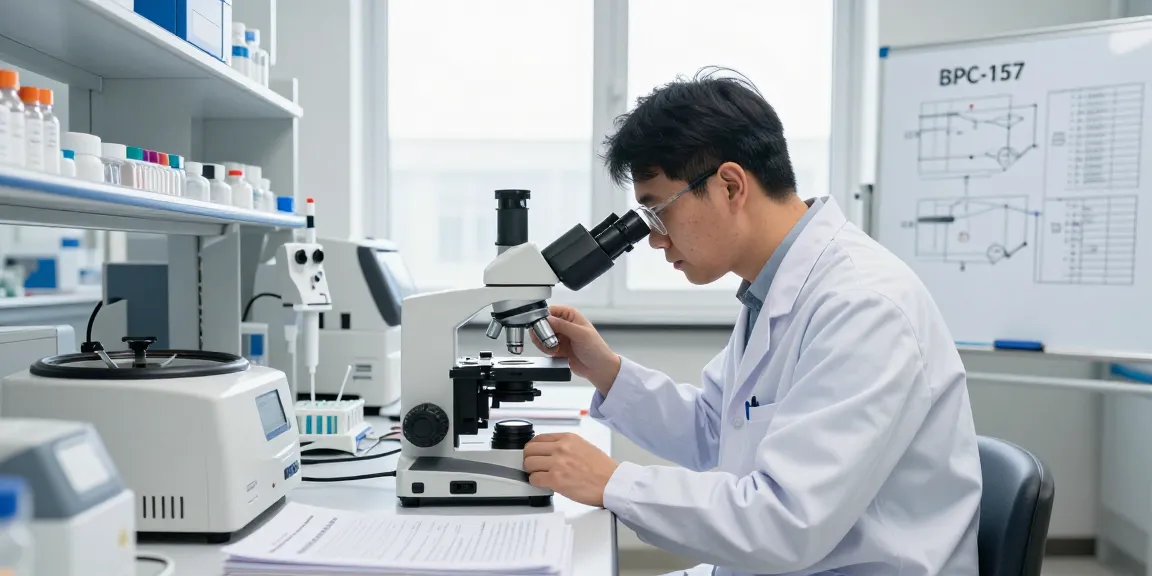
Understanding Koi BPC-157: A Synthetic Peptide Overview
BPC-157, or Body Protection Compound-157, is a synthetic peptide with a significant history in regenerative medicine research. First identified in the early 1990s, this 15-amino-acid peptide has made headlines for its remarkable stability and wide array of claimed biological effects. In Canada, the interest surrounding Koi BPC-157 Canada continues to grow as researchers explore its potential applications for tissue repair, wound healing, and more complex physiological processes. Given the evolving landscape of peptide research, especially in the wake of recent regulatory changes, understanding BPC-157 is crucial for researchers and practitioners alike.
What Is Koi BPC-157?
Koi BPC-157 is a synthetic version of a peptide derived from a protein found in human gastric juice, specifically a gastric protective protein. This peptide is notable for its high stability and resistance to degradation in acidic environments, which makes it an attractive candidate for various research applications. The sequence of Koi BPC-157 is GEPPPGKPADDAGLV, allowing it to exhibit a range of biological activities through different signaling pathways.
Mechanism of Action and Its Implications
The mechanism of action of BPC-157 is multi-faceted, engaging various biological pathways. Primarily, it modulates the VEGFR2-Akt-eNOS signaling pathway, which is crucial for angiogenesis—the formation of new blood vessels. This activity supports vascular integrity and contributes to tissue healing processes. Additionally, BPC-157 influences the nitric oxide system, promotes cell migration through FAK-paxillin signaling, and has been shown to reduce inflammatory cytokines.
Historical Context of BPC-157 Research
Research on BPC-157 dates back over three decades, with a focus on its regenerative properties across various organ systems. The majority of early studies were conducted by a research group at the University of Zagreb, laying the groundwork for subsequent investigations into its mechanisms and potential applications. As of 2025, a systematic review by Vasireddi et al. highlighted 544 published articles, of which 35 were preclinical studies that elucidated its complex biological activities.
The Preclinical Evidence and Research Landscape
Summary of Key Preclinical Studies
Preclinical studies involving BPC-157 have reported positive outcomes in models of gastrointestinal injury, musculoskeletal repair, and nerve regeneration. Notably, BPC-157 has demonstrated efficacy in promoting healing of tendon injuries and vascularization of damaged tissues. These studies underscore the potential for BPC-157 as a therapeutic agent in regenerative medicine, although the question of its mechanism remains complex due to its pleiotropic effects.
Comparative Analysis with Other Peptides
Compared to other peptides such as TB-500 (Thymosin Beta-4), BPC-157 has a distinct mechanism of action focusing more on angiogenesis versus cell migration. While both peptides are studied for their regenerative capabilities, BPC-157's diverse signaling pathways contribute to its unique profile in research. Understanding these differences is essential for researchers considering peptide combinations for specific therapeutic outcomes.
Future Directions in BPC-157 Research
The future of BPC-157 research looks promising, with ongoing studies aimed at exploring its potential human applications. Researchers are also investigating the quantitative effects of varying doses, long-term safety, and the compound's interactions with different biological systems. There is a growing need for independent replication studies to confirm findings and understand the compound's true efficacy across diverse contexts.
Human Trials and Safety Studies: The 2025 Investigations
Insights from the Lee & Burgess Safety Pilot
The first formal human safety trial of BPC-157, conducted by Lee & Burgess in 2025, provided critical insights into its safety profile. This pilot study involved healthy volunteers and primarily focused on intravenous administration. The findings indicated that BPC-157 was well-tolerated, with no adverse effects observed at doses up to 20 mg. However, it is important to note that this study did not assess therapeutic efficacy and involved a limited sample size.
Interpreting Results: What They Mean for Canada
The results from the pilot study are a promising step forward for BPC-157 research, especially in the context of Canadian regulatory standards. While the safety profile appears favorable, the absence of therapeutic data means that researchers and stakeholders should proceed cautiously. The findings serve as a foundation for future investigations aimed at validating the compound's effectiveness for specific therapeutic applications.
Broader Implications for Human Applications
The implications of the 2025 safety study extend beyond Canada, influencing how global research views BPC-157. As the scientific community continues to engage with the findings, there is potential for increased funding and interest in exploring the peptide's clinical benefits, albeit with careful consideration of the regulatory landscape.
The Regulatory Landscape: Canada and Beyond
Health Canada’s Stance on BPC-157
As of 2026, Health Canada has not approved BPC-157 for any therapeutic indication. The compound is categorized as a research-use-only material and is subject to the Food and Drugs Act. Canadian researchers must adhere strictly to regulations that govern the use of unapproved peptides, ensuring that any usage aligns with established guidelines for laboratory reagents.
FDA Updates and Their Impact on Canadian Labs
The FDA has also undergone significant regulatory changes regarding BPC-157. In April 2026, it was removed from Category 2 of the 503A Bulk Drug Substances List, indicating potential shifts in how the substance is viewed in research and clinical contexts. This removal means that BPC-157 is neither explicitly banned nor approved, putting it in a unique regulatory position that Canadian researchers should monitor closely.
Expected Regulatory Changes in 2026
Looking ahead, the Pharmacy Compounding Advisory Committee (PCAC) review scheduled for July 2026 is expected to influence the regulatory status further. The outcomes of this meeting will be crucial in determining whether BPC-157 can be incorporated into formal compounding frameworks, which would have a direct impact on its availability and usage in Canadian laboratories.
Evaluating Suppliers and Quality Standards
Key Considerations for Sourcing Koi BPC-157
When sourcing BPC-157, Canadian researchers must prioritize quality and documentation. Ensuring the integrity of the peptide is paramount, as variations in purity and composition can significantly affect research outcomes. Suppliers should provide comprehensive Certificates of Analysis (COAs) along with third-party testing results to confirm the peptide's identity and purity.
Documentation and Quality Assurance for Researchers
Key documentation for BPC-157 includes a Certificate of Analysis demonstrating HPLC purity (ideally ≥99%), mass spectrometry identity verification, and records of bacterial endotoxin testing. Researchers should also verify that the supplier offers clear labeling indicating research-use-only status to align with regulatory expectations.
Red Flags in BPC-157 Suppliers to Watch For
Several warning signs may indicate subpar suppliers in the BPC-157 market. Red flags include absent or incomplete COAs, vague product information, lack of transparency in sourcing, and suppliers making therapeutic claims. Researchers need to remain vigilant in assessing vendors to ensure that they are sourcing high-quality materials that meet research standards.
Frequently Asked Questions
What should Canadian researchers know about BPC-157?
Canadian researchers should be aware of the regulatory environment surrounding BPC-157, which limits its use to research purposes only. Understanding the existing literature and safety data is also crucial for designing credible studies. Moreover, the sourcing of high-quality peptides from reputable suppliers is vital for obtaining reliable results.
Is Koi BPC-157 safe for human use?
As of now, Koi BPC-157 has not been approved for human use and is only sanctioned for research purposes. Although the initial human safety studies indicate a favorable profile, no therapeutic claims can be substantiated at this time. Researchers should prioritize adherence to ethical guidelines when exploring human applications.
What research on BPC-157 is currently underway?
Research on BPC-157 is ongoing, with investigations focused on its efficacy in various therapeutic areas, including wound healing, sports medicine, and tissue repair. Future studies are expected to provide more insight into its mechanisms and validate its potential benefits across different health conditions.
How does BPC-157 compare to TB-500?
BPC-157 and TB-500 differ significantly in their mechanisms of action. BPC-157 primarily promotes angiogenesis, while TB-500 enhances cell migration. Both peptides are valuable in the context of regenerative medicine, but their distinct actions warrant separate research trajectories for targeted applications.
What are the latest regulatory developments on BPC-157?
The regulatory landscape for BPC-157 is in flux, particularly with the upcoming FDA PCAC meeting that may redefine its status in the United States and influence Canadian regulations. Researchers should stay informed on these developments to adapt their studies accordingly.