
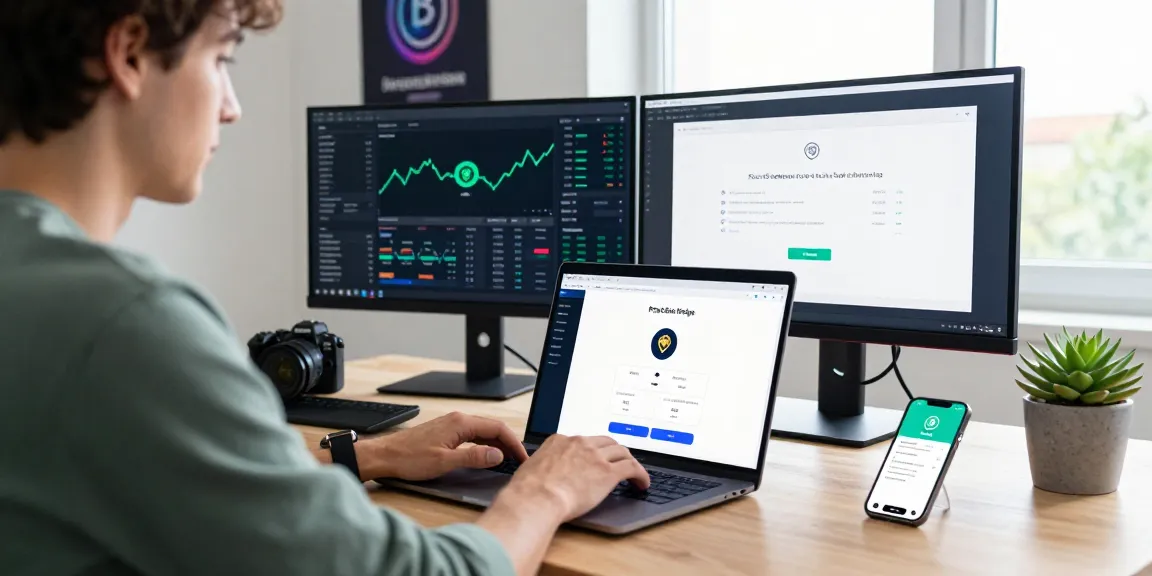
The Basics of the PulseChain Bridge
In the rapidly evolving world of blockchain technology, PulseChain Bridge stands out as a beacon for users looking to transfer their assets seamlessly and affordably. As the digital landscape expands, the need for effective cross-chain bridges becomes more critical. PulseChain Bridge offers a user-friendly interface that allows crypto enthusiasts to move ETH and PLS to PulseChain in mere minutes, all while ensuring low fees and robust security. For anyone delving into cross-chain transactions, understanding the function and advantages of the PulseChain Bridge is essential for a smooth experience.
What is the PulseChain Bridge?
The PulseChain Bridge is a cross-chain solution designed to facilitate the transfer of cryptocurrency between the Ethereum network and PulseChain. This innovative tool allows users to bridge different tokens, such as ETH, PLS, and a variety of ERC-20 tokens, effectively offering an integrated platform to move assets across these networks. Unlike traditional wallets or exchanges that often charge hefty fees and lengthy processing times, PulseChain Bridge ensures that users can complete transactions quickly and at a fraction of the cost.
How Does the PulseChain Bridge Work?
At its core, the PulseChain Bridge employs a decentralized protocol that manages transactions across chains efficiently. Users begin by connecting their wallets and selecting the tokens to bridge. The platform automatically calculates the necessary fees and timeframes, allowing users to confirm their transactions with confidence. Once initiated, the bridging process typically completes within minutes, significantly streamlining the user experience compared to other bridges that can take much longer.
Key Features and Benefits of Using PulseChain
- Fast Transactions: The PulseChain Bridge allows for the transfer of tokens in under three minutes, ensuring users can move their assets quickly.
- Low Fees: With fees up to 70% lower than competing platforms, users can save significantly on transaction costs.
- Strong Security: Utilizing advanced protocols, the PulseChain Bridge prioritizes user security, protecting against potential vulnerabilities in the bridging process.
- User-Friendly Interface: Designed with first-time users in mind, the platform offers a straightforward process to bridge tokens without complicated steps.
- Native Gas Tokens: Users without native PLS in their address may receive free PLS for gas, making the bridging process even more economical.
Getting Started with PulseChain Bridge
If you’re ready to leverage the benefits of the PulseChain Bridge, getting started is a straightforward process. Below is a detailed step-by-step guide to help first-time users navigate through the bridging experience effortlessly.
Step-by-Step Guide to Bridging ETH to PulseChain
- Connect Your Wallet: Visit the PulseChain Bridge website and connect your crypto wallet. Ensure you’re using a wallet that is compatible with both Ethereum and PulseChain.
- Select the Tokens: Choose the tokens you wish to bridge. For instance, if you’re bridging ETH, simply select it from the list.
- Choose the Amount: Specify the amount of ETH you want to bridge. The interface will display the expected fees and amount of PLS you will receive.
- Confirm the Transaction: Review the transaction details, including fees and expected confirmation time, before proceeding.
- Finalize the Transfer: Click on the “Bridge” button to initiate the transfer. You will receive a confirmation once the transaction is complete.
Preparing Your Crypto Wallet for Bridging
Prior to using the PulseChain Bridge, it’s essential to ensure your crypto wallet is appropriately set up. First, verify that your wallet supports both Ethereum and PulseChain. Additionally, make sure you have enough ETH for transaction fees. If you plan to bridge PLS, ensure you have a sufficient balance in your wallet to cover gas fees on transfers.
Common Misconceptions About Token Bridging
Many potential users may hesitate to use token bridges due to misunderstandings about the process. One common misconception is that bridging is complicated; however, platforms like PulseChain Bridge offer straightforward interfaces designed for ease of use. Another misconception is related to fees, where users assume all bridges charge exorbitant amounts. In reality, PulseChain Bridge has a transparent fee structure that often results in significant savings compared to alternatives.
Benefits of Using PulseChain
Utilizing the PulseChain network for bridging tokens brings numerous advantages, making it an attractive option for crypto users. Below, we delve into specific benefits associated with this innovative platform.
Cost Efficiency: How PulseChain Fees Compare
One of the standout features of the PulseChain Bridge is its cost efficiency. Traditional token bridges often impose hefty fees due to network congestion and operational costs. In contrast, PulseChain has optimized its infrastructure to charge users up to 70% less in fees. This lower cost structure not only encourages users to bridge more frequently but also enhances overall profitability for traders and investors.
Speed: Bridging Tokens in Under 3 Minutes
Time is of the essence in the world of cryptocurrency. The PulseChain Bridge excels in this regard, facilitating token transfers that typically complete in under three minutes. This rapid transaction time is crucial for traders who need to execute trades quickly to capitalize on market movements.
Security Features of PulseChain Bridge
Security remains a paramount concern for crypto users. The PulseChain Bridge employs state-of-the-art security measures to protect user assets during the bridging process. With built-in encryption and decentralized protocols, users can rest assured that their transactions are secure from potential hacks or breaches.
Advanced Features of PulseChain
As the digital landscape continues to evolve, PulseChain is at the forefront of innovation. Here, we’ll explore the advanced features that set this platform apart.
Cross-chain Compatibility Explained
Cross-chain compatibility is a critical aspect of modern blockchain infrastructure. PulseChain’s design allows it to interoperate seamlessly with various blockchains, facilitating easy asset transfers across different networks. This compatibility enhances user flexibility and opens up new opportunities for traders and investors alike.
Future Developments for PulseChain Bridge in 2026
Looking ahead to 2026, the PulseChain Bridge aims to introduce further improvements and features. Developers are working on enhancements that include better user interfaces, increased speed of transactions, and additional token support. These updates promise to maintain PulseChain’s competitive edge in the rapidly evolving blockchain space.
Case Studies: Successful Token Transfers
Real-world applications of the PulseChain Bridge can be demonstrated through several success stories. Users have reported successful transfers of substantial amounts of ETH and PLS within minutes, often saving significant fees compared to other platforms. These case studies serve as a testament to the reliability and efficiency of the PulseChain Bridge.
FAQs About PulseChain Bridge
As users become increasingly interested in the PulseChain Bridge, several common questions arise. Here, we address some of the most frequently asked queries to help you better understand this effective bridging solution.
What types of tokens can I bridge using PulseChain?
You can bridge a variety of tokens, including ETH, PLS, and various ERC-20 tokens. The platform is designed to accommodate a broad spectrum of cryptocurrencies, facilitating easy transfers between different asset types.
Are there any hidden fees when using PulseChain Bridge?
No, PulseChain Bridge is committed to transparency. Users are informed of all fees upfront before completing a transaction, ensuring that there are no surprise charges.
How can I ensure the security of my transactions?
To ensure transaction security, always use a reputable and secure wallet, enable two-factor authentication, and regularly check for software updates. Using the PulseChain Bridge’s built-in security features significantly enhances your transactional safety.
What should I do if my transaction fails?
In the event of a failed transaction, check your wallet balance to ensure you have enough gas fees. If the issue persists, consult the PulseChain support team for assistance, as they can help resolve any technical difficulties.
How does PulseChain compare to other token bridges?
PulseChain Bridge distinguishes itself from competitors through its speed, cost efficiency, and user-friendly interface. While many alternatives require longer processing times and higher fees, PulseChain prioritizes user experience and operational efficiency.